Description
Coastal Hill combines hidden-object scenes with a supernatural mystery, collections, restoration, and social events. Its atmospheric locations support long play, but energy limits, repeated scenes, and layered currencies steadily slow investigation.
Hidden Objects: Coastal Hill Review
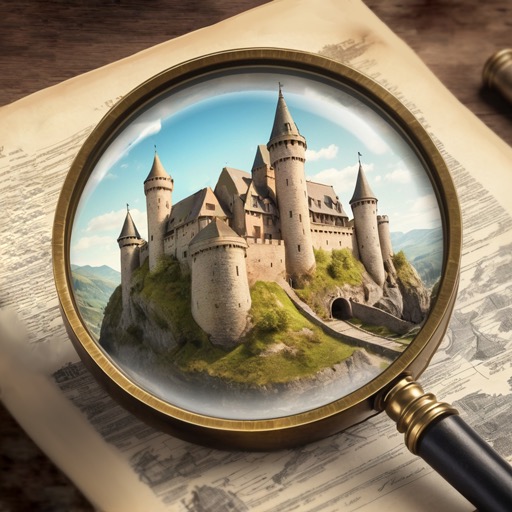
Hidden Objects: Coastal Hill sends the player into a foggy town affected by memory loss and supernatural events. Progress alternates between finding objects in illustrated locations, following dialogue, completing collections, and restoring parts of an estate. Hidden-object scenes change through modes such as text lists, silhouettes, scrambled words, darkness, or timed searches.
Reusing locations with different object arrangements provides efficiency, though repeated backgrounds eventually become memorization exercises. The mystery framing gives searches a purpose. Characters, notes, and locations build a continuing plot, while estate decoration and collections add secondary goals.
The number of tasks, events, currencies, and crafting requirements can make it difficult to identify which activity advances the main story. Energy restricts scene attempts, and failures still consume time or resources. Tools reveal objects or extend a search, but their scarcity connects progress to events and purchases.
Joining a guild or participating in competitions adds rewards without changing the underlying search. Coastal Hill suits players who want a long-running hidden-object service rather than a compact premium mystery. Its atmosphere is stronger than its repeated mechanics.
Focusing on one story task and learning location layouts reduces the pressure to chase every event.
Base Info
Official Sources
LumenPlays points players to official store and publisher pages where available. Use these links to review current pricing, availability, privacy details, and device requirements.
Screenshots
How to Play Hidden Objects: Coastal Hill
Select a location tied to the active task and review its search mode. Find every listed object before time expires. Tap accurately, use zoom where supported, and scan from one side of the scene to the other.
Learn recurring location landmarks. Objects may change position, but shelves, windows, furniture, and corners create a useful search order. In silhouette or scrambled-word modes, identify shape and likely category before scanning details.
Save compasses, flashlights, time extensions, and other tools for difficult modes or a nearly completed scene. Starting a new attempt is often cheaper than using several tools early. Check the required item drop before spending energy on a location.
Advance one investigation or collection goal at a time. Estate and event tasks can consume resources needed by the main story. Join social features only if their schedule fits normal play.
Let energy regenerate rather than buying it after repeated failures, and reduce notifications when overlapping events create unnecessary urgency.
Pros
- Supernatural story gives searches context.
- Multiple search modes vary familiar locations.
- Long catalogue supports ongoing play.
- Estate and collections offer secondary progression.
Cons
- Energy limits repeated investigation.
- Locations are reused frequently.
- Events and currencies make objectives cluttered.
Beginner Tips
- Use the same scan order for recurring scenes.
- Check the required drop before spending energy.
- Save tools for near-complete searches.
- Focus on one investigation goal.
- Ignore events that divert needed resources.
FAQ
Why do I search the same location repeatedly?
Locations support different object arrangements, modes, item drops, and story tasks across the long-running progression.
What uses energy?
Entering hidden-object scenes and related activities generally consumes the account’s limited energy resource.
When should tools be used?
Use them late in a difficult search when one item or a small amount of time separates the attempt from completion.
Is Coastal Hill a complete offline mystery?
It is designed as an ongoing connected service with events, energy, social systems, and continuing content.
Similar Games