Description
Toca Boca World is an expansive digital dollhouse that gives children unusually broad freedom to create characters, arrange homes, and stage stories. The base experience is welcoming, though its growing catalog of paid locations and item packs can become expensive.
Toca Boca World Review
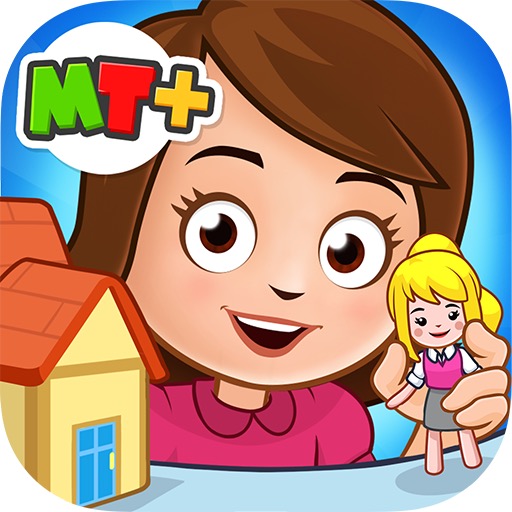
Toca Boca World combines the locations and play style of the older Toca Life apps into one connected sandbox. Players move characters between homes, shops, schools, hospitals, salons, and many other spaces, then use the available props to invent scenes. There are no missions to fail and no prescribed story, so the value comes from what the player imagines.
Character Creator and Home Designer make the world feel personal. Outfits, facial features, furniture, food, pets, and small interactive surprises support everything from ordinary family routines to deliberately absurd adventures. The visual interface is readable for children who are not confident readers, while the lack of competitive pressure keeps play calm.
The scale can also be overwhelming. New players may not know where to begin, and managing many characters or objects across locations becomes untidy. The free starting content is useful, but a large portion of the wider catalog is sold through optional packs.
Families should establish purchase controls before independent play. Toca Boca World is not a structured educational course; it is closer to a flexible toy box that can encourage storytelling, sequencing, and shared conversation when children receive enough time and space to invent.
Base Info
Official Sources
LumenPlays points players to official store and publisher pages where available. Use these links to review current pricing, availability, privacy details, and device requirements.
Screenshots
How to Play Toca Boca World
Choose a location from the world map, then tap a building to enter it. Drag characters from the sidewalk or character panel into rooms. Move furniture, food, clothing, tools, pets, and other props by dragging them.
Place an item in a character's hand or near an interactive object to see how it responds. Use Character Creator to design people for a story and Home Designer to arrange supported houses. Characters and many objects can travel between locations, allowing one scene to continue elsewhere.
Explore cupboards, shelves, buttons, and unusual decorations because many locations include hidden reactions or gifts. There is no correct order and no final objective. Begin with a simple scenario, such as preparing a meal, visiting a salon, or moving into a home, then let the story change through play.
Parents should enable device purchase restrictions before allowing unsupervised store access. If the world becomes cluttered or an item is lost, use the available reset or cleanup options carefully, since resetting a location may restore its original arrangement.
Pros
- Extensive open-ended storytelling tools
- Accessible visual controls for younger players
- Character and home creation support personalization
- No scores, timers, or failure pressure
Cons
- Large catalog of optional purchases
- The amount of content can feel overwhelming
- No structured goals for players who prefer direction
Beginner Tips
- Start with one location and a simple story instead of opening the entire map at once.
- Drag props into a character’s hand to discover contextual reactions.
- Use Character Creator before a story so the cast is easy to recognize.
- Enable parental purchase controls before children browse optional packs.
- Reset a location only after checking whether its current arrangement should be kept.
FAQ
Is Toca Boca World free?
The app includes a free starting world, while many additional locations, characters, and item packs are optional purchases.
Does it have missions or levels?
No. It is an open-ended sandbox where players invent their own stories and activities.
Can old Toca Life locations appear in Toca Boca World?
The world brings many Toca Life settings into one app, although current availability and purchase access vary.
Is it an educational game?
It can support imagination, storytelling, and social play, but it is not organized as a formal academic curriculum.
Similar Games