Description
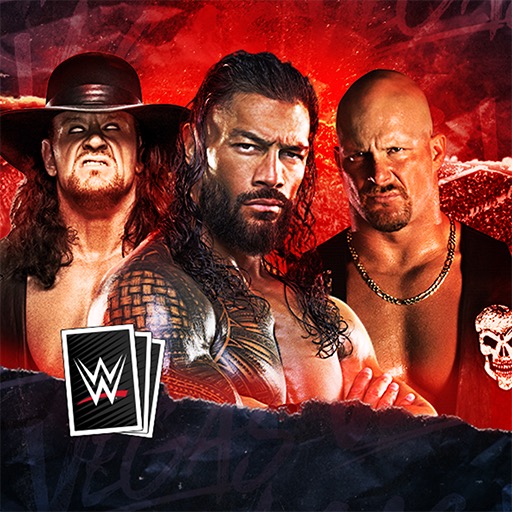
WWE SuperCard turns wrestling stars into a long-running collectible card progression game with quick stat battles and frequent events. The presentation serves fans well, but roster strength, card tiers, repeated grinding, and monetized upgrades dominate high-level competition.
WWE SuperCard - Battle Cards Review
WWE SuperCard builds matches around collectible wrestler cards whose power, toughness, speed, charisma, and other current attributes are compared according to the round. Players assemble decks, choose cards for individual or tag-team contests, use support effects, and improve the roster through training, combining duplicates, equipment, and event rewards. The basic decisions are quick but not empty.
Saving a balanced card for a later matchup, pairing compatible tag partners, and recognizing which statistic a mode is likely to test can change a close result. WWE entrances, portraits, themes, and seasonal card variants give the collection value for wrestling fans beyond raw numbers. Years of updates have made the progression dense.
New tiers regularly raise the competitive ceiling, older cards lose practical value, and limited events can require many repeated bouts. A strong deck reflects both decision-making and the time or money invested in acquiring and improving cards. Numerous currencies and upgrade paths may overwhelm a returning player.
WWE SuperCard is best approached as a persistent collection game: focus resources on cards that improve the active deck, participate in a manageable selection of events, and avoid upgrading every recognizable wrestler solely because the artwork is appealing.
Base Info
Official Sources
LumenPlays points players to official store and publisher pages where available. Use these links to review current pricing, availability, privacy details, and device requirements.
Screenshots
How to Play WWE SuperCard - Battle Cards
Build the required deck for the selected mode, paying attention to card tier, statistics, alignment, tag compatibility, and support cards. During a bout, read which statistic or combination will be compared, then choose a card that can win without wasting the strongest option unnecessarily. For tag rounds, pair cards with compatible indicators when possible.
Use managers, equipment, or other support effects where they improve an important matchup rather than activating them automatically. After matches, collect rewards and strengthen useful cards through the current training and enhancement systems. Keep the active competitive deck balanced.
A single exceptional card cannot cover every round, especially when a mode draws from separate male, female, or tag categories. Lock valuable cards to prevent accidental use as training material. Combine duplicates only after checking the current pro or fusion rules.
Prioritize events that award a realistic deck improvement, and stop when the next reward would require disproportionate time or resources. Seasonal updates can change tiers and systems, so review in-game instructions before committing rare materials.
Pros
- Large WWE roster with strong fan presentation
- Quick battles are easy to understand
- Frequent modes and live events
- Collection growth supports long-term goals
Cons
- New tiers repeatedly reduce the value of older cards
- Competitive events can require heavy grinding
- Many currencies and upgrade systems feel crowded
Beginner Tips
- Lock valuable cards before using bulk training tools.
- Build a balanced deck instead of relying on one top card.
- Save the strongest card when a weaker option can win the current round.
- Check tag compatibility before pairing wrestlers.
- Spend event time on rewards that genuinely improve the active roster.
FAQ
Do players control wrestling moves directly?
No. Matches resolve through card statistics, selected pairings, support effects, and mode-specific rules.
What makes a good tag team?
Strong statistics matter, but compatible alignment or tag indicators can also improve the pairing.
Should every high-rarity card be upgraded?
No. Focus materials on cards that enter an active deck or serve a defined event purpose.
Why do older cards become weaker competitively?
New seasons and tiers raise the statistical ceiling, making earlier collections less effective in current high-level play.
Similar Games