Description
F1 Clash compresses Formula 1 strategy into quick head-to-head races where driver pace, tire timing, pit stops, and component strength all matter. It is approachable and tense, but random crates and upgrade levels can outweigh tactical skill.
F1 Clash Car Racing Manager Review
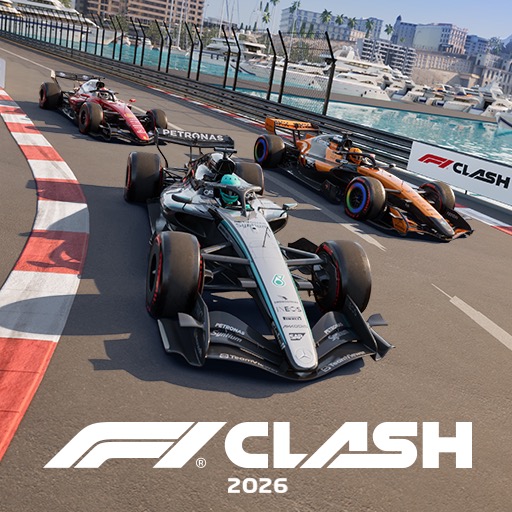
F1 Clash is a mobile management game rather than a driving simulator. Two players each control a pair of cars in a shortened race, choosing pace, tires, pit timing, and occasional boosts while the drivers handle steering automatically. The limited lap count turns every decision into a compressed version of a Grand Prix call.
Weather and tire life create the best races. An early stop may gain clean air but require another visit, while staying out preserves time at the risk of a severe pace drop. Managing two cars also prevents a single obvious plan: stacking both in the same pit window can cause delay, yet splitting strategies may leave one driver on the wrong compound.
Drivers and car parts come from crates and improve through duplicates and currency. Building a balanced setup is satisfying, but matchmaking and collection levels strongly affect results. A tactically sound account can still struggle against superior statistics, and chasing seasonal assets encourages repeated play or purchases.
Official teams, circuits, and recognizable presentation give F1 Clash an identity that generic racing managers lack. Races are short enough for mobile sessions and close finishes can be genuinely tense. The tradeoff is reduced depth: there is no full engineering department or season simulation, and the live economy introduces timers, event schedules, and premium offers.
It suits players who want quick strategic duels more than those seeking an offline motorsport management career.
Base Info
Official Sources
LumenPlays points players to official store and publisher pages where available. Use these links to review current pricing, availability, privacy details, and device requirements.
Screenshots
How to Play F1 Clash Car Racing Manager
Build a lineup with two drivers and a set of car components, then enter a duel or event. Before the start, inspect track length, weather, and tire choices. Soft tires are fast but short-lived, while harder compounds trade lap time for a longer stint.
Rain requires wet tires once conditions become sufficiently severe. During the race, set each driver’s pace separately. Higher pace improves speed but consumes tires and fuel faster.
Use it for overtaking, creating a pit gap, or the final laps rather than leaving both cars at maximum from the start. Plan pit stops one or two laps ahead. Avoid bringing both cars into the same garage at the same moment unless the second car has enough spacing.
Watch projected tire life rather than waiting for grip to collapse. When rain begins or ends, compare the time lost on the wrong tire with the cost of an extra stop. Upgrade components that improve the whole car without pushing the team into an unfavorable matchmaking range blindly.
Keep currency for upgrades with a clear effect and do not open premium crates without checking their contents. In events, consistency across both cars matters more than sacrificing one driver for a risky win.
Pros
- Quick races still contain meaningful strategy.
- Managing two cars creates useful tradeoffs.
- Official F1 presentation adds atmosphere.
- Weather can change an entire plan.
Cons
- Card and component levels affect competitiveness.
- Crates and events create monetization pressure.
- Management depth is narrower than a full PC simulation.
Beginner Tips
- Read weather before selecting starting tires.
- Do not run maximum pace for every lap.
- Separate the two pit windows.
- Pit before tire performance collapses.
- Upgrade a balanced set of components.
FAQ
Do players drive the cars directly?
No. Drivers steer automatically while the player manages pace, tires, pit stops, and the team setup.
Why did both cars wait in the pits?
They likely entered the same team garage too closely together. Stagger their stops or create a larger track gap.
Are soft tires always best?
No. Their speed is useful only when the stint length and pit cost justify their shorter life.
Is F1 Clash an offline career game?
Its main structure is online head-to-head competition and live events, supported by a collection and upgrade economy.
Similar Games