Description
Mahjong Blast is a clean mahjong-solitaire game focused on matching exposed pairs across layered layouts. Its calm pace and readable tiles make it accessible, while repeated boards, hint reliance, and ad-supported boosters may reduce long-term challenge.
Mahjong Blast Review
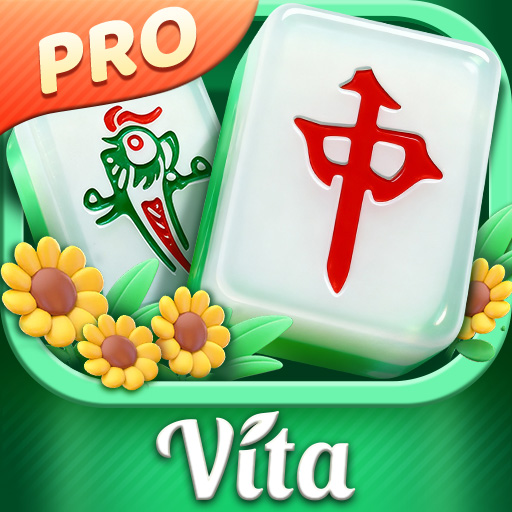
Mahjong Blast uses mahjong imagery for a solitaire matching puzzle rather than the four-player tile game. A layered arrangement of tiles fills the board, and the player removes matching pairs until no tiles remain. Only free tiles can be selected: a tile must not be covered and must have an open side.
This simple restriction creates the puzzle. An obvious pair may be legal but strategically poor if removing it leaves several copies of another symbol trapped beneath the same stack. Good play involves scanning the whole board, identifying tiles that block the greatest number of layers, and preserving alternatives when four identical tiles are visible.
The current presentation favors relaxation. Tiles are large, matches receive clear feedback, and there is generally no need for fast input. Hints, shuffle tools, undo functions, daily challenges, and decorative progression may surround the core boards.
Exact features can change as the relatively new app receives updates. Mahjong Blast works well for players who want a familiar visual-matching routine. It is not a detailed simulation of traditional mahjong rules, and its challenge depends heavily on layout generation and how freely boosters are offered.
Frequent hints can turn a deduction puzzle into a sequence of prompted taps, while advertisements may interrupt the quiet rhythm. The best experience comes from using assistance only after manually checking the exposed layer. With that restraint, each board remains a compact planning problem about access and pair order rather than simple symbol recognition.
Base Info
Official Sources
LumenPlays points players to official store and publisher pages where available. Use these links to review current pricing, availability, privacy details, and device requirements.
Screenshots
How to Play Mahjong Blast
Tap two matching free tiles to remove them. A tile is free when no tile covers it and at least its left or right side is open. A tile may look visible but still be blocked by a small overlap, so check the highlight or selection response.
Scan the upper layers before choosing a pair. Prefer moves that uncover multiple hidden tiles or release the end of a long row. When four identical tiles are available, consider which pair opens more of the board instead of matching the first two seen.
Keep alternative pairs available. Removing both accessible copies of one symbol can be risky if another copy remains buried above the tile needed to free it. Work from tall central stacks and tightly blocked side groups while preserving easy outer pairs for later.
If no move is visible, rotate attention across the board before using a hint. A shuffle can recover some blocked positions, but it may be limited or tied to an advertisement. Use undo when the previous pair clearly caused the dead end.
Daily or event boards may introduce different goals, so read their conditions before applying the normal clear-every-tile strategy.
Pros
- Rules are accessible to new solitaire players.
- Large tiles support comfortable phone play.
- Untimed matching creates a calm pace.
- Layered layouts provide meaningful pair-order decisions.
Cons
- It does not represent traditional multiplayer mahjong.
- Boards can feel repetitive over long sessions.
- Hints and shuffles may reduce challenge or trigger ads.
Beginner Tips
- Confirm that a tile has an open side before planning around it.
- Prioritize pairs that uncover several hidden tiles.
- Choose carefully among four identical visible tiles.
- Save easy outer pairs as future options.
- Use hints only after scanning every exposed symbol.
FAQ
Is Mahjong Blast traditional mahjong?
No. It is mahjong solitaire, a single-player matching puzzle using mahjong-style tiles.
What makes a tile free?
Nothing may cover it, and at least one horizontal side must be open.
Why can a visible tile not be selected?
A small overlap above it or blocked tiles on both sides may mean it is not legally free.
Can every board be solved without boosters?
Layout generation and deal rules vary; careful pair order solves many boards, while some versions provide shuffle or undo tools for blocked states.
Similar Games