Description
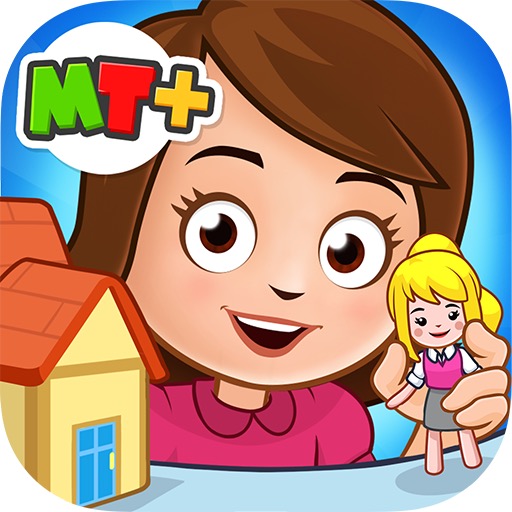
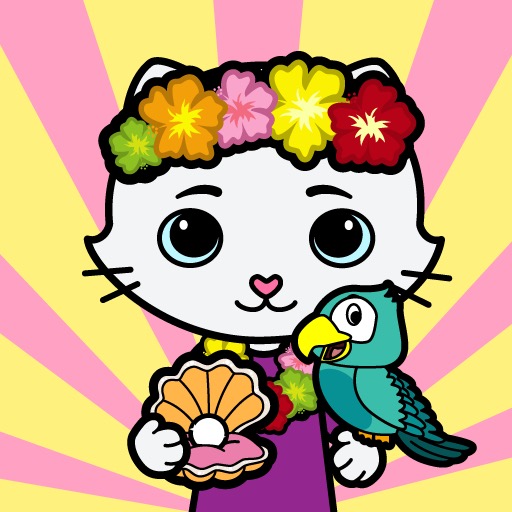
Yasa Pets Island is an open-ended digital dollhouse filled with beach, school, family, and animal scenes. Children can invent stories without performance pressure, though interactions are shallow and some activities require discovering unclear object combinations.
Yasa Pets Island Review
Yasa Pets Island gives children a collection of locations, characters, clothing, food, animals, and household objects to rearrange. There is no demanding score or fixed campaign. The main activity is imaginative play: move characters between scenes, dress them, prepare a meal, visit school, explore the beach, stage a wedding, or create a family story.
The island theme connects a useful range of spaces, and most objects respond to direct dragging or tapping. Young players can begin experimenting without reading long instructions. The colorful animal cast also avoids the pressure and competition common in many mobile games for children.
Open-ended design has limits. Interactions are usually simple animations rather than systems with lasting consequences, and players may exhaust a favorite location quickly. Some secrets or event sequences are not clearly explained, causing children to tap objects randomly until something happens.
Advertising and unlock conditions should be reviewed by an adult in the current version. Yasa Pets Island is best treated as a storytelling toy rather than a progression game. It becomes more engaging when a parent or child invents a scenario, assigns roles, and moves deliberately through several locations instead of trying to find a conventional win condition.
Base Info
Official Sources
LumenPlays points players to official store and publisher pages where available. Use these links to review current pricing, availability, privacy details, and device requirements.
Screenshots
How to Play Yasa Pets Island
Choose a location from the island map and look around the scene. Drag characters into rooms, seats, beds, vehicles, or activity areas. Tap cupboards, bags, doors, food, clothing, and other objects to see which can be opened, carried, worn, or used.
Create a simple story goal before moving everything. For example, prepare characters for school, organize a beach day, visit the hospital, hold a meal, or stage a celebration. Move useful items into a character's hands, combine food or accessories where the scene allows, and transfer characters between locations to continue the story.
There is no standard score to maximize. Exploration reveals the available reactions, while some special events require placing the right people or objects together. Adults should check ad and purchase settings before handing over the device.
If a child becomes stuck, encourage describing what should happen next and searching for an object that supports that idea. Reset or rearrange a scene when it becomes cluttered. The play session ends whenever the invented story reaches a natural conclusion.
Pros
- Open-ended play encourages storytelling
- No competitive pressure or failure state
- Many colorful locations and movable props
- Controls are understandable without much reading
Cons
- Individual interactions have limited depth
- Secrets and special sequences may be unclear
- Long-term play depends on the child's imagination
Beginner Tips
- Begin with one location and learn which objects can be moved.
- Invent a short story goal before rearranging the entire scene.
- Keep related clothing, food, and props near the characters using them.
- Try placing characters and objects together to discover special reactions.
- Have an adult review advertising and device purchase settings.
FAQ
Is there a main objective in Yasa Pets Island?
No. It is an open-ended dollhouse game where players create their own stories and activities.
Can characters move between locations?
Yes. Players can use the map and scenes to continue a story across different island locations.
Is reading required?
Most interactions use tapping and dragging, though adult guidance can help with settings and less obvious activities.
Who is the game best suited for?
It suits children who enjoy pretend play, arranging characters, dressing up, and inventing family or adventure stories.
Similar Games