Description
Rhythm Tiles is a familiar tap-to-the-beat game with short song stages, hold notes, increasing speed, and a broad pop-styled library. Immediate play is appealing, but licensing clarity, advertising, subscriptions, and repetitive note patterns deserve scrutiny.
Rhythm Tiles : Piano Game Review
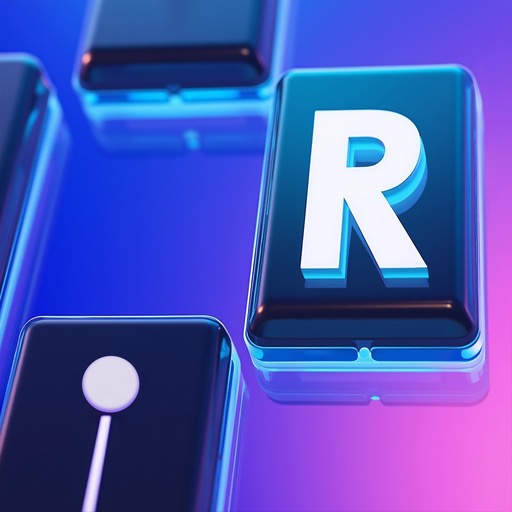
Rhythm Tiles: Piano Game sends note tiles down several lanes and asks the player to tap, hold, or release them in time with the music. Missing a required tile usually interrupts the run, while accurate sequences build score and unlock further songs. The formula is accessible because the visual target and musical beat reinforce each other.
Slower tracks introduce lane reading, and faster arrangements test finger independence and the ability to look ahead rather than follow one tile at a time. Most stages use variations of taps and holds rather than simulating a piano keyboard or teaching notation. Success demonstrates familiarity with the chart and reaction timing, not the ability to perform the song on an instrument.
The song catalog is central, but mobile rhythm apps can change tracks, covers, regions, and subscription access frequently. Players should inspect the current listing and in-app credits rather than assuming every recognizable title uses an original licensed recording. Advertising, locked songs, trials, and recurring subscriptions can interrupt the simple rhythm loop.
Rhythm Tiles is best judged as casual score chasing with music-themed presentation. It can help practice pulse and visual timing, but should not be marketed as formal piano education.
Base Info
Official Sources
LumenPlays points players to official store and publisher pages where available. Use these links to review current pricing, availability, privacy details, and device requirements.
Screenshots
How to Play Rhythm Tiles : Piano Game
Place the device on a stable surface or hold it without covering the lower lanes. Calibrate timing if the app offers that option, especially when wireless audio creates delay. Watch slightly above the hit line so upcoming patterns are visible.
Tap short tiles once and keep contact on hold tiles until their tail ends. Use two thumbs or index fingers rather than forcing one finger to cross every lane. Learn difficult charts in sections.
Identify repeated rhythms and listen for the beat instead of reacting only to color. A consistent early tap may indicate audio latency rather than poor rhythm. Start with slower songs and increase difficulty after full runs become comfortable.
Accuracy is more useful than frantic tapping, which creates extra inputs and hides the actual pattern. Review subscription terms, song access, and advertisements before accepting a trial. Keep volume at a safe level and verify whether tracks are originals, covers, or game arrangements when that distinction matters.
Pros
- Tap and hold controls are immediately accessible.
- Music provides clear timing feedback.
- Short stages suit repeated score attempts.
- Difficulty can support gradual speed improvement.
Cons
- Patterns offer limited mechanical variety.
- Ads and subscriptions can interrupt play.
- It is not genuine piano instruction.
Beginner Tips
- Calibrate around audio delay when possible.
- Look ahead of the hit line.
- Use two fingers for alternating lanes.
- Practice accuracy before increasing speed.
- Review trial and subscription terms carefully.
FAQ
Does Rhythm Tiles teach piano?
No. It is a lane-tapping rhythm game and does not teach keyboard technique or music notation.
Why can taps feel consistently late?
Bluetooth or device audio latency may place sound behind the visual chart.
Are all songs original recordings?
Catalog and recording sources can vary, so current in-app credits and licensing information should be checked.
What is the best way to improve?
Use a stable setup, look ahead, practice repeated patterns, and prioritize accuracy over random fast tapping.
Similar Games