Description
Diablo III is a fast, approachable action RPG with fluid combat, flexible skill swapping, excellent console controls, Adventure Mode, rifts, and seasonal progression. Its story is uneven and loot becomes numerically excessive, but building a screen-clearing hero remains satisfying.
Diablo III Review
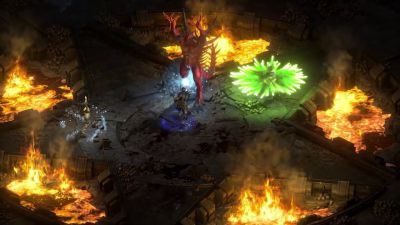
Diablo III sends one of several heroes against demons across a linear campaign, then opens into Adventure Mode and repeatable endgame activities. Classes such as Barbarian, Wizard, Demon Hunter, Monk, Witch Doctor, Crusader, and Necromancer have distinct resources and skills, but abilities can be swapped freely outside combat. Combat emphasizes momentum.
Enemies arrive in large groups, elite modifiers create hazards, and legendary items radically alter abilities. Kanai's Cube extracts powers, set items define major builds, and Greater Rifts provide escalating timed challenges. Seasons offer fresh characters, objectives, and rewards.
The launch auction-house problems are long gone, but the modern game leans heavily on enormous damage multipliers and predefined set synergies. Campaign writing is less memorable than the combat, and endgame farming eventually becomes repetitive. Online requirements differ by platform, with PC more dependent on servers and consoles supporting local features.
Diablo III is the series' most accessible power fantasy: easy to start, quick to respec, and excellent with friends, though players seeking slower item scarcity may prefer Diablo II. Controller movement and same-screen console co-op make it particularly comfortable as a living-room action game.
Base Info
Official Sources
LumenPlays points players to official store and publisher pages where available. Use these links to review current pricing, availability, privacy details, and device requirements.
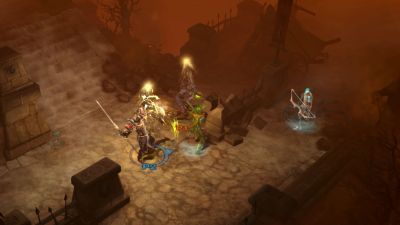
Screenshots
How to Play Diablo III
Choose a class and experiment with skills as they unlock. Equip items based on useful effects as well as green damage arrows. Raise difficulty when enemies die too easily, but lower it if fights become slow rather than interesting.
After the campaign, use Adventure Mode for bounties, Nephalem Rifts, and Greater Rifts. Collect materials, extract legendary powers with Kanai's Cube, and build around an armor set or coordinated legendary effects. Keep survivability appropriate for the chosen difficulty.
Seasonal characters provide structured goals and set rewards. In groups, stay close enough to share progress and revive allies. Verify platform requirements before buying, particularly online connectivity, local co-op, and cross-platform limitations.
Salvage unwanted equipment for crafting materials rather than selling everything. Use the blacksmith, jeweler, and mystic after their functions become relevant, but avoid excessive early crafting because leveling replaces gear quickly. In Greater Rifts, move efficiently between elite packs instead of fighting every normal enemy.
Pros
- Fluid responsive combat.
- Easy skill experimentation.
- Strong cooperative play.
- Extensive rift and seasonal endgame.
Cons
- Story is weak.
- Damage scaling becomes excessive.
- Endgame farming repeats heavily.
Beginner Tips
- Experiment with unlocked skills.
- Use legendary effects, not score alone.
- Adjust difficulty for efficient kills.
- Complete seasonal objectives.
- Build defense alongside damage.
FAQ
Can skills be reset?
Skills and runes can be changed freely outside restricted combat situations.
What is Adventure Mode?
An open endgame structure with bounties, rifts, vendors, and repeatable progression.
What are Greater Rifts?
Timed scaling dungeons used to test builds and upgrade legendary gems.
Does Diablo III have local co-op?
Console editions support local multiplayer; features differ from the PC version.
Similar Games