
Category
RPG Game Reviews & Guides
Browse 76 RPG games with LumenPlays reviews, how-to-play guides, beginner tips, and official platform links.

20 Minutes Till Dawn
20 Minutes Till Dawn gives the survivor-like formula more direct control by making players aim, shoot, reload, and move under pressure. Its compact runs and flexible build combinations are excellent, although the dark palette, crowded late waves, and uneven mobile controls can make information harder to read.

Among Us
Among Us is a sharp social deduction game when the group communicates and plays in good faith. Its rules are simple, but the quality of a match depends more on the people in the lobby than on mechanical skill.
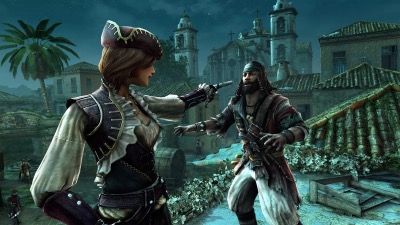
Assassin's Creed IV: Black Flag
Assassin's Creed IV: Black Flag remains the series' best pirate adventure, combining satisfying naval combat, island exploration, sea shanties, and traditional assassinations. The tailing missions and dated land controls show their age, but sailing the Caribbean still gives the open world unusual character.
Assassin's Creed: Liberation
Assassin's Creed: Liberation is an ambitious smaller-scale entry with a distinctive New Orleans setting and Aveline's three-persona system. Its compact missions and social stealth ideas remain interesting, but uneven storytelling, simple combat, and origins as a handheld game limit its depth.
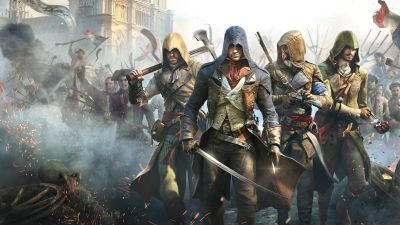
Assassin's Creed: Unity
Assassin's Creed Unity now offers a striking recreation of revolutionary Paris, the series' most fluid-looking urban parkour, dense crowds, and flexible assassination missions. Technical roughness, uneven combat, and a weak central romance remain, but its stealth sandboxes have aged better than its launch reputation.
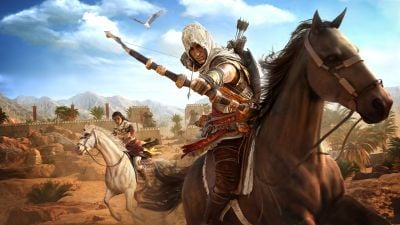
Assassin's Creed:Origins
Assassin's Creed Origins successfully rebuilds the series as an action RPG, pairing Bayek's personal story with a beautiful, carefully researched vision of ancient Egypt. Exploration and combat are rewarding, although level gating, repetitive camps, and loot management can dilute the assassination fantasy.
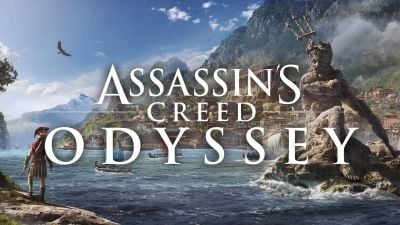
Assassin's Creeds: Odyssey
Assassin's Creed Odyssey is a vast historical action RPG with excellent scenery, flexible builds, energetic combat, and a charismatic mercenary lead. Its scale supports memorable exploration, but level scaling, repetitive forts, abundant loot, and stretched quest lines can turn the Greek epic into a checklist.
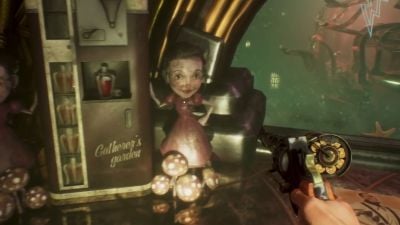
BioShock 1
BioShock remains a landmark first-person adventure because Rapture's art, audio, politics, and environmental storytelling give every corridor meaning. Weapons and plasmids allow creative combat, though hacking, escort sections, and some gunplay feel dated beside the still-powerful atmosphere and central moral questions.
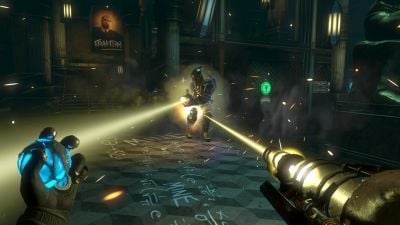
BioShock 2
BioShock 2 returns to Rapture with improved shooting, simultaneous weapon-and-plasmid combat, and an unexpectedly affecting Big Daddy perspective. Its setting is less surprising than before, but better systems, strong Little Sister defenses, and the Minerva's Den expansion make it an excellent sequel.
BioShock Infinite
BioShock Infinite delivers a visually extraordinary floating city, strong performances from Booker and Elizabeth, fast sky-line combat, and an ambitious story about power and parallel worlds. Its shooting is more conventional than earlier BioShock games, and its themes sometimes exceed what the linear encounters can support.
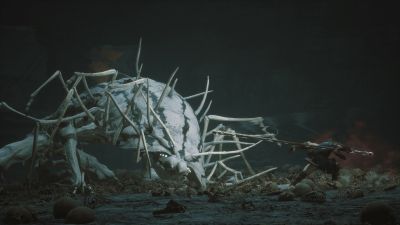
Black Myth: Wukong
Black Myth: Wukong pairs spectacular creature design and Journey to the West mythology with responsive staff combat, transformations, spells, and demanding bosses. Its strongest encounters are exceptional, though uneven navigation, invisible boundaries, performance demands, and a fragmented story make the journey less consistently polished.
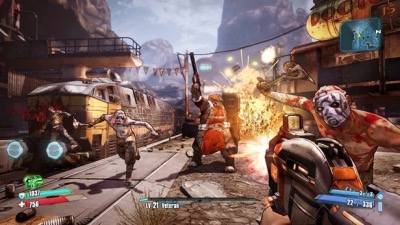
Borderlands 2
Borderlands 2 remains the series' strongest blend of cooperative shooting, absurd weapons, distinct Vault Hunters, memorable quests, and a genuinely effective villain. Some humor and mission structure have aged, but the loot progression and class builds still support an excellent long campaign.
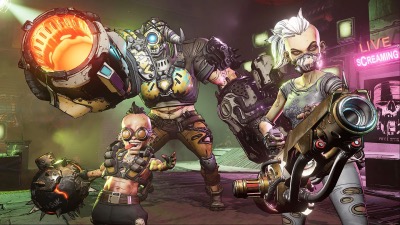
Borderlands 3
Borderlands 3 offers the series' best gun handling, movement, weapon variety, and flexible Vault Hunter builds across several planets. Its combat is excellent and endgame generous, but noisy writing, weak villains, technical clutter, and frequent inventory work undermine the campaign.
Brotato
Brotato is a compact arena roguelite with six weapons, rapid auto-attacks, meaningful stat tradeoffs, and an excellent roster of strange characters. Mobile free-to-play additions create friction, but the underlying wave, shop, and build system remains deep and highly replayable.
Brotato: Premium
Brotato: Premium is the cleaner mobile version of an excellent auto-shooting roguelite, preserving its fast waves, six-weapon builds, character rules, and demanding stat economy without the free edition's advertising pressure. Touch movement remains the main compromise.
Call of Duty Mobile Season 7
Call of Duty: Mobile remains an active, content-rich shooter with polished touch controls, classic multiplayer, battle royale, Zombies, and extensive customization. The stale Season 7 label should be ignored; seasons rotate continuously, while download size, menus, bots, and aggressive monetization are the lasting compromises.
Clash of Clans
Clash of Clans is a patient base-building strategy game with satisfying attack planning and unusually strong clan play. Its best decisions unfold over months, but upgrade timers and resource pressure make it a poor fit for anyone seeking constant action.
Clash Royale
Clash Royale is a tense real-time card battler where deck construction matters, but elixir discipline and placement win matches. Its three-minute battles are excellent; uneven card levels and a crowded progression economy are the main frustrations.
Counter-Strike: Global Offensive
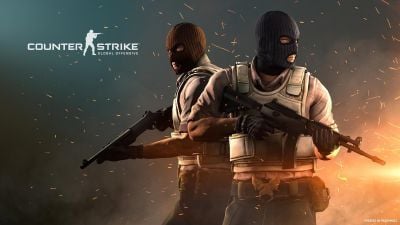
Counter-Strike: Global Offensive defined competitive tactical shooting for more than a decade through precise gunplay, economy management, utility, and iconic maps. Valve replaced its official live service with Counter-Strike 2 in September 2023, so this page is now historical rather than a current mobile recommendation.
Cyberpunk 2077
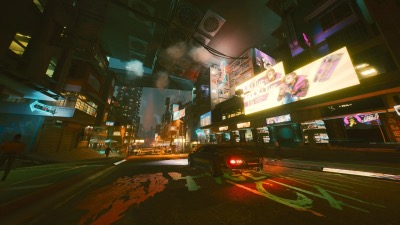
Cyberpunk 2077 has grown into an excellent first-person RPG with memorable characters, flexible combat builds, dense quests, and a striking Night City. The current version is far stronger than its 2020 launch, though uneven open-world systems and demanding hardware remain important caveats.
Dark Souls I
Dark Souls Remastered remains a landmark action RPG whose interconnected world, deliberate combat, sparse storytelling, and meaningful exploration reward patience. Some bosses, camera behavior, and late areas show their age, but Lordran's structure and sense of discovery remain exceptional.
Dark Souls II
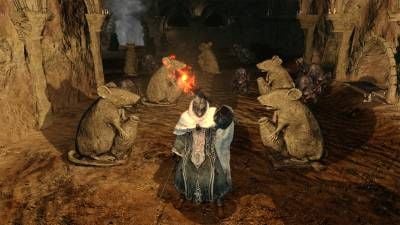
Dark Souls II offers the series' broadest build experimentation, large DLC areas, and a long journey through Drangleic. Its world connections, enemy placement, and adaptability statistic remain divisive, but deliberate players will find substantial combat and role-playing depth.
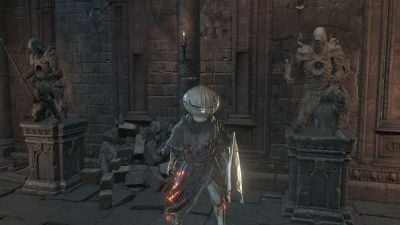
Dark Souls III
Dark Souls III combines the series' strongest boss roster, responsive combat, flexible weapons, and haunting visual callbacks into a focused finale. Its progression is more linear than earlier games and relies heavily on familiar imagery, but moment-to-moment play is superb.
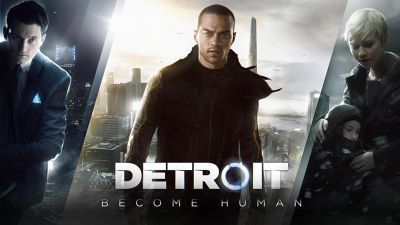
Detroit: Become Human
Detroit: Become Human is a visually impressive branching drama whose choices can radically alter character survival and later scenes. Performances and replay structure are strong, though its political allegory is blunt and many interactions prioritize cinematic spectacle over subtle storytelling.
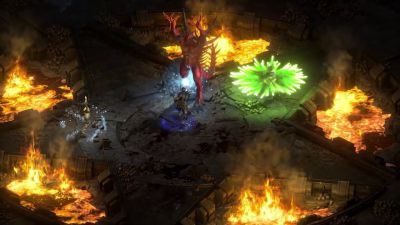
Diablo II
Diablo II remains a foundational action RPG whose classes, loot, atmosphere, and escalating difficulties still reward long-term character building. Diablo II: Resurrected is the practical modern version, though inventory friction, opaque breakpoints, and punishing mistakes preserve its old-school character.
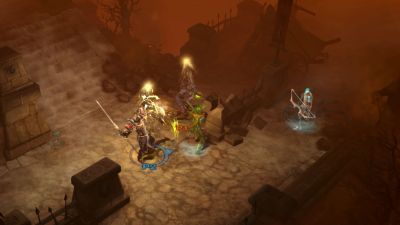
Diablo III
Diablo III is a fast, approachable action RPG with fluid combat, flexible skill swapping, excellent console controls, Adventure Mode, rifts, and seasonal progression. Its story is uneven and loot becomes numerically excessive, but building a screen-clearing hero remains satisfying.
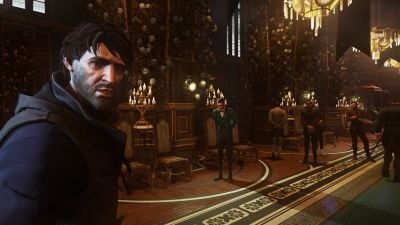
Dishonored 2
Dishonored 2 is an exceptional immersive stealth game with two distinct protagonists, inventive powers, richly layered missions, and broad freedom to improvise. Its story is less memorable than its level design, but Clockwork Mansion and A Crack in the Slab are genre landmarks.
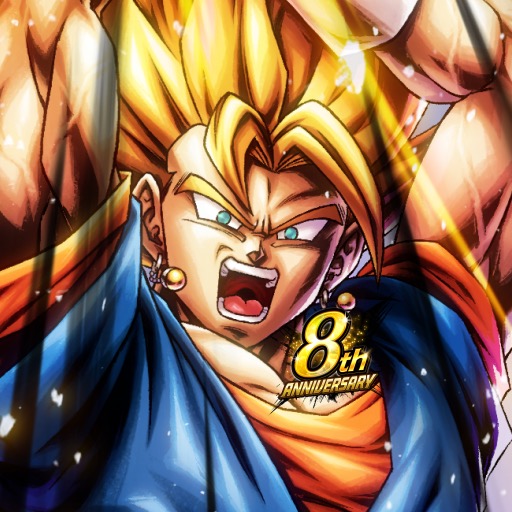
DRAGON BALL LEGENDS
Dragon Ball Legends delivers flashy real-time card combat, an original story, a huge character roster, cooperative raids, and competitive PvP. Animation is excellent, but gacha rates, duplicate power, balance swings, connection quality, and constant events create demanding long-term pressure.
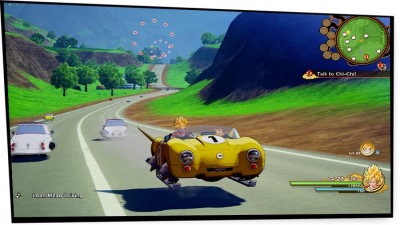
Dragon Ball Z: Kakarot
Dragon Ball Z: Kakarot is a generous action RPG retelling of the full Z saga with spectacular battles, exploration, side stories, and strong fan service. Repetitive open-world tasks and uneven RPG systems hold it back, but its major fights capture the anime well.
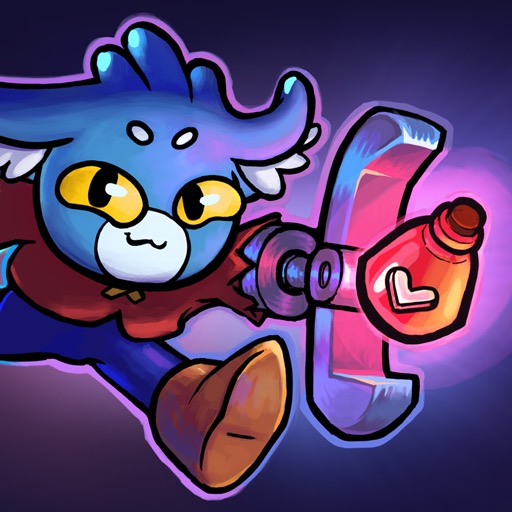
Dungeon Clawler
Dungeon Clawler gives deckbuilding combat a tactile twist by making every turn begin inside a claw machine. Item synergies are clever and runs invite experimentation, although unlucky grabs and a slow early unlock curve can frustrate players who prefer exact control.
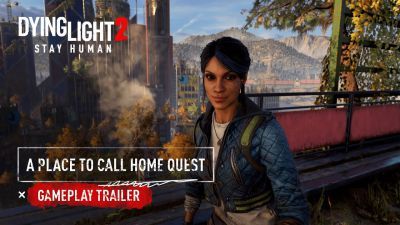
Dying Light 2: Stay Human
Dying Light 2 is most convincing when parkour, improvised melee combat, and dangerous nights overlap in the same open-world route. Villedor is an excellent movement playground, even though uneven writing, loot repetition, and system bloat weaken the long campaign.
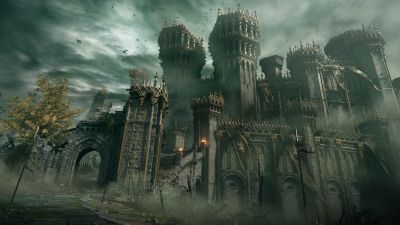
Elden Ring
Elden Ring turns FromSoftware's demanding action RPG formula into a vast, unusually flexible journey. Its combat and discovery are exceptional, though opaque quests, severe bosses, and the scale of character building can overwhelm newcomers.

Epic Seven
Epic Seven pairs expressive 2D combat animation with a demanding turn-based RPG built around team synergy and equipment quality. Its tactical bosses and broad roster reward commitment, but gear randomness and gacha acquisition make progress time-consuming.
Fallout Shelter
Fallout Shelter remains an appealing vault-management game with readable rooms, expressive dwellers, and a strong explore-and-expand loop. Emergencies create useful pressure, though waiting timers and repetitive late-game collection eventually replace the early survival tension.
Fate Grand Order
Fate/Grand Order is carried by its expansive visual-novel story and a battle system built around command-card sequencing, Noble Phantasms, and support choices. Its dated interface, repetitive farming, and unforgiving summon economy demand patience.
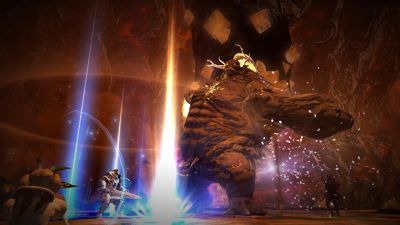
Final Fantasy XIV
Final Fantasy XIV is a story-led MMORPG with flexible job switching, exceptional encounter music, and a welcoming cooperative structure. The slow opening and mandatory main scenario require patience, while subscription costs matter after the generous trial.
Five Nights At Freddy's 3
Five Nights at Freddy’s 3 shifts attention to one physical hunter, unreliable systems, and phantom distractions. Its slower surveillance puzzle has strong atmosphere and lore, but repeated maintenance errors make it less immediately frightening than earlier games.
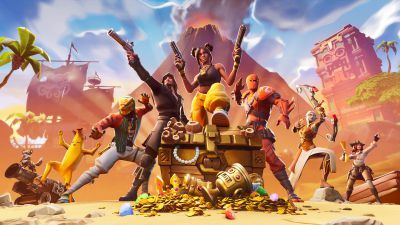
Fortnite
Fortnite has grown from a battle royale into a broad platform for shooting, building, racing, survival, music, and creator-made experiences. Its responsive combat and constant reinvention impress, though the crowded interface and rotating monetization can overwhelm newcomers.
Free Fire
Free Fire delivers fast battle-royale matches on a broad range of phones, with character abilities and compact maps keeping fights active. Its accessibility is a strength, but cosmetics, ability combinations, and frequent events make the competitive picture noisy.
Free Fire x NARUTO SHIPPUDEN
This listing now leads to the continuing Free Fire battle royale, not a permanent Naruto edition. Fast ten-minute matches and broad device support remain appealing, while character abilities, monetized cosmetics, and event-heavy menus complicate competitive clarity.
Gacha Life
Gacha Life is a broad character creator with dress-up, studio scenes, short minigames, and lightweight exploration. Its expressive tools remain popular, but the interface is dated and younger users need guidance around exporting and sharing creations.

Genshin Impact
Genshin Impact offers a generous open world, strong elemental combat, and lavish presentation for free. The adventure is easy to recommend, but character acquisition, daily resource limits, and late-game artifact farming require realistic expectations.

GIRLS' FRONTLINE 2: EXILIUM
Girls’ Frontline 2 combines polished turn-based tactical combat with detailed character presentation and a long-term gacha progression system. Cover, positioning, and action order are meaningful, but equipment farming and duplicate-driven upgrades require commitment.
Grand Theft Auto III
Grand Theft Auto III remains historically important for turning Liberty City into a freely explored 3D crime sandbox. Its mission design and atmosphere still matter, though stiff shooting, unforgiving checkpoints, and dated navigation require patience.
Grand Theft Auto V
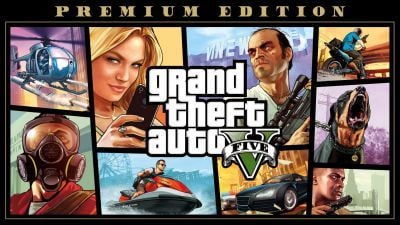
Grand Theft Auto V combines a three-protagonist crime story with a detailed Southern California sandbox, while GTA Online adds a vast separate multiplayer economy. Its world and mission variety endure, though online grind and monetization are substantial.
Grand Theft Auto: San Andreas
Grand Theft Auto: San Andreas remains an ambitious open-world journey with three cities, strong characters, vehicle variety, and extensive side systems. Its scale still impresses, although old combat, mission checkpoints, and mobile controls can be cumbersome.
Grand Theft Auto: Vice City
Grand Theft Auto: Vice City remains a stylish 1980s crime story with memorable radio, neon atmosphere, and a compact city. Its personality survives, but dated aiming, fragile missions, and old mobile controls are significant barriers.
GTA: Chinatown Wars
GTA: Chinatown Wars is a compact, systems-driven crime game with fast missions, sharp top-down action, touch minigames, and a dynamic drug market. Its presentation is less cinematic, but the portable design remains unusually focused.

Honkai: Star Rail
Honkai: Star Rail combines polished turn-based combat, strong character writing, and elaborate science-fantasy worlds. Team building and boss mechanics reward planning, while gacha banners, stamina, and relic randomness create a demanding long-term economy.
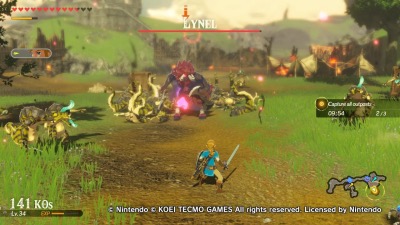
Hyrule Warriors: Age of Calamity
Hyrule Warriors: Age of Calamity combines large-scale Musou combat with Breath of the Wild characters, locations, and systems. Its roster and spectacle are strong, but uneven performance and repetitive battlefield tasks prevent it from matching Zelda exploration.

Jujutsu Kaisen Phantom Parade
Jujutsu Kaisen Phantom Parade offers polished character art, voiced story material, and turn-based team combat for series fans. Element matching and skill order matter, but stamina, equipment farming, and gacha banners create heavy long-term friction.
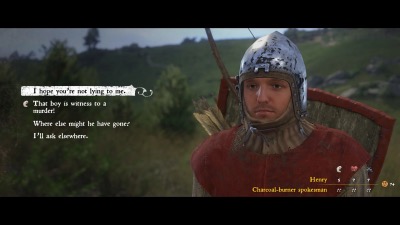
Kingdom Come: Deliverance
Kingdom Come: Deliverance is a demanding historical RPG whose grounded combat, social systems, and Bohemian countryside create unusual immersion. Its slow start and rough edges require patience, but preparation and learned skill produce meaningful progress.
Kingdom Hearts III
Kingdom Hearts III delivers spectacular Disney worlds, fluid aerial combat, and emotional closure for long-running characters. Its production is lavish, but story terminology, frequent attractions, and uneven difficulty can overwhelm newcomers.

Lash Salon
Lash Salon turns eyelash styling into a simple sequence of cleaning, shaping, coloring, and decorating tasks. It is easy to understand and visually playful, though frequent advertising and limited challenge make it better for brief sessions than sustained play.

League of Legends
League of Legends: Wild Rift successfully compresses Riot's five-versus-five MOBA into shorter, touch-friendly matches. Its controls and map are carefully adapted for mobile, but champion knowledge, teamwork, and ranked pressure still create a demanding learning curve.
Masha and the Bear: My Friends
Masha and the Bear: My Friends is a gentle virtual-life game where children complete routines, explore rooms, dress characters, and play simple activities. It is accessible for fans, though repetition and monetized content need parental oversight.

MementoMori: AFKRPG
MementoMori pairs lavish character songs and melancholy illustration with an extremely automated idle RPG. Team formation and long-term resource planning matter, but combat interaction is limited and gacha progression can become expensive.
Monster Hunter Stories
Monster Hunter Stories transforms Capcom's creature roster into a colorful turn-based RPG with egg hunting, gene customization, and a lengthy campaign. Combat is approachable, while repetitive dens and hidden gene complexity slow the adventure.
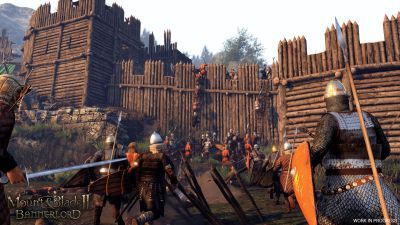
Mount & Blade II: Bannerlord
Mount & Blade II: Bannerlord combines directional medieval combat, army leadership, trade, politics, and large sandbox wars. Its emergent campaigns are compelling, though repetitive quests, uneven diplomacy, and a demanding interface remain persistent weaknesses.
My Talking Angela 2
My Talking Angela 2 expands virtual-pet care with fashion, food, travel, dancing, crafting, and numerous minigames. Its animation is polished and activities are varied, but ads, currencies, purchases, and child privacy require active adult oversight.
Ninja Turtles: Legends
Ninja Turtles: Legends is an approachable turn-based squad RPG with a broad TMNT roster and colorful 5-on-5 battles. Team building is enjoyable for fans, though energy, character shards, repeated stages, and random rewards make progression slow.

Papa's Freezeria To Go!
Papa's Freezeria To Go is an older but durable sundae time-management game with simple touch controls and a clear order loop. Its compact design remains enjoyable, although it has fewer customization systems and less variety than later Papa's releases.

Pokémon GO
Pokémon GO gives walking a playful purpose through catching, collecting, raids, and location-based events. It remains distinctive and social, but battery use, regional access, changing event schedules, and paid convenience affect the experience.
Poppy Playtime Chapter 1
Poppy Playtime Chapter 1 is a short first-person horror introduction with an effective abandoned-toy-factory setting, environmental puzzles, and a memorable chase. Atmosphere carries the experience, while simple puzzles, brief length, and mobile controls limit depth.
PUBG MOBILE
PUBG MOBILE offers a slower, more tactical battle royale built around positioning, sound, recoil, and long rotations. It can produce excellent squad stories, but its size, control complexity, bots, cheaters, and sprawling event interface demand patience.
RAID: Shadow Legends
RAID: Shadow Legends offers polished turn-based team building, a huge champion roster, and demanding boss optimization. Its mechanical depth is real, but shard randomness, gear farming, currencies, time commitments, and aggressive offers dominate long-term progression.
Red Dead Redemption 2
Red Dead Redemption 2 is a slow, extraordinarily detailed Western about Arthur Morgan, a collapsing outlaw gang, and a world moving beyond them. Its storytelling and environment are exceptional, though heavy controls, rigid missions, and deliberate pacing demand patience.
Shadow of the Tomb Raider
Shadow of the Tomb Raider emphasizes exploration, jungle traversal, swimming, stealth, and elaborate tombs more than its predecessors. The optional content is strong, but uneven pacing, a dour story, and familiar combat keep it from fully matching its environments.

Stardew Valley
Stardew Valley remains an unusually generous farming RPG, balancing crop planning, relationships, exploration, and gradual town restoration without forcing one correct routine. Its opening can feel slow, but the freedom and long-term payoff are exceptional.
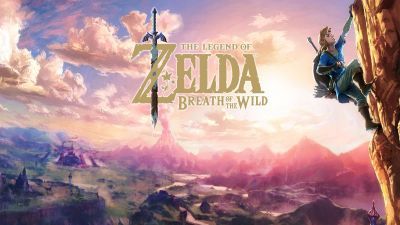
The Legend of Zelda: Breath of the Wild
Breath of the Wild makes exploration itself the reward, giving players a consistent physical world and enough tools to solve travel, combat, and puzzles creatively. Weapon durability divides opinion, but Hyrule remains exceptionally inviting.
The Room Three
The Room Three expands the series from intricate puzzle boxes into connected locations without losing its tactile appeal. The atmosphere and mechanisms are superb, while obscure late-game dependencies can occasionally make progress feel less intuitive.
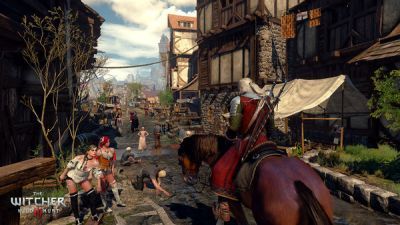
The Witcher 3: Wild Hunt
The Witcher 3 remains a benchmark for story-driven open-world RPGs because even minor contracts reveal character and consequence. Combat and inventory systems are less elegant than the writing, but the complete adventure is exceptionally rich.
Tokyo Ghoul · Break the Chains
Tokyo Ghoul: Break the Chains gives anime fans a polished character-collection RPG with recognizable story scenes and tactical team building. Its turn-based battles are approachable, but gacha acquisition and layered upgrade systems heavily influence long-term progress.
Valheim
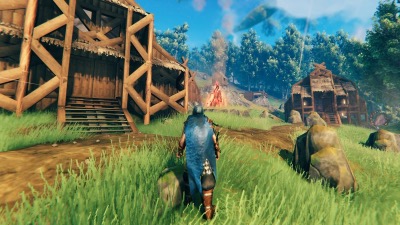
Valheim combines survival crafting with unusually purposeful exploration, making every new biome a preparation test rather than a simple map expansion. Building and cooperative adventures are excellent, though corpse recovery, long resource trips, and early-access changes demand patience.
Warframe
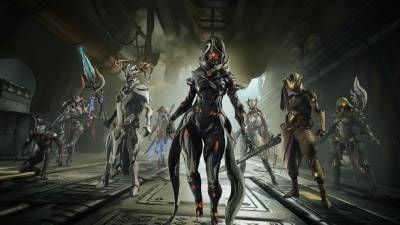
Warframe is a remarkably broad cooperative action game built on fluid movement, flexible loadouts, and years of interconnected progression. Combat is exhilarating and generous free access is possible, but the opening hours explain its many systems poorly.
モンスターストライク
Monster Strike remains a distinctive Japanese mobile RPG built around slingshot collisions, character collection, and cooperative quests. Its tactile battles are easy to grasp, but the Japanese-only ecosystem and enormous gacha roster challenge newcomers.