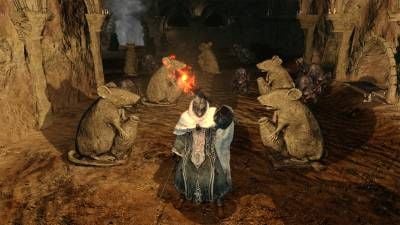
Description
Dark Souls II offers the series' broadest build experimentation, large DLC areas, and a long journey through Drangleic. Its world connections, enemy placement, and adaptability statistic remain divisive, but deliberate players will find substantial combat and role-playing depth.
Dark Souls II Review
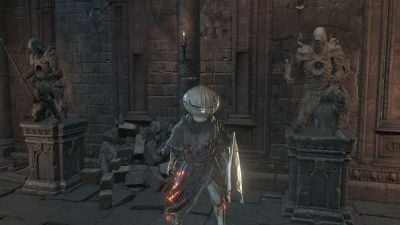
Dark Souls II follows a cursed traveler seeking relief in Drangleic. Its world is more dreamlike and geographically inconsistent than Lordran, with areas connected by mood and progression rather than a believable physical layout. The story focuses on memory, identity, and cycles of kingdoms, delivered through the series' familiar fragments.
Combat retains stamina, equipment weight, weapon scaling, and death penalties while adding power stancing, extensive spell options, and a huge equipment catalog. Repeated deaths reduce maximum health unless countered, and enemies eventually stop respawning after enough kills. Adaptability influences agility and dodge invulnerability, an important system the game explains poorly.
Scholar of the First Sin rearranges enemies and items, integrates DLC access, and is the most common modern edition. Its large groups can punish rushed movement, while generous build variety rewards experimentation. The three DLC campaigns contain some of the strongest level design and bosses, alongside frustrating cooperative challenge areas.
Dark Souls II lacks the first game's world elegance and the third's speed, but it offers a distinct, methodical RPG whose breadth has aged better than its reputation suggests. Majula remains one of the series' most effective hubs, using music and fading light to provide relief between hostile regions.
Base Info
Official Sources
LumenPlays points players to official store and publisher pages where available. Use these links to review current pricing, availability, privacy details, and device requirements.
Screenshots
How to Play Dark Souls II
Raise health and stamina, then consider Adaptability until dodges and item use feel reliable. Fight groups by drawing one enemy at a time with a bow or throwable item. Lock-on is useful, but unlock when several enemies or camera restrictions make movement difficult.
Upgrade a main weapon and keep a backup damage type. Power stance compatible weapons only when statistics and stamina can support the heavier commitment. Human Effigies restore maximum health and enable online functions, so avoid spending them after every minor death.
Use bonfire travel, speak to NPCs repeatedly, and examine unfamiliar paths carefully. Join the Company of Champions only if you intentionally want higher difficulty. Enter DLC areas after building a mature character, and skip optional cooperative gauntlets if they stop being enjoyable.
Talk to the Emerald Herald to level and use Lifegems for gradual recovery while preserving Estus for emergencies. Check weapon durability because it resets at bonfires but can break during long areas. Carry repair options and avoid striking walls unnecessarily with fragile equipment.
Pros
- Enormous build variety.
- Strong DLC environments.
- Power stancing supports unusual weapons.
- Long content-rich campaign.
Cons
- World layout feels disconnected.
- Adaptability is poorly explained.
- Enemy groups can feel excessive.
Beginner Tips
- Invest in agility through Adaptability.
- Pull enemies separately.
- Keep a backup weapon.
- Save Human Effigies.
- Avoid Company of Champions initially.
FAQ
What does Adaptability do?
It raises agility, affecting dodge invulnerability and item-use speed.
Which edition is current?
Scholar of the First Sin is the common modern package with revised placement and included DLC.
Do enemies respawn forever?
Many normal enemies eventually stop after repeated kills unless specific systems restore them.
Is Dark Souls II required before III?
No, but it contributes themes and references to the larger series.
Similar Games