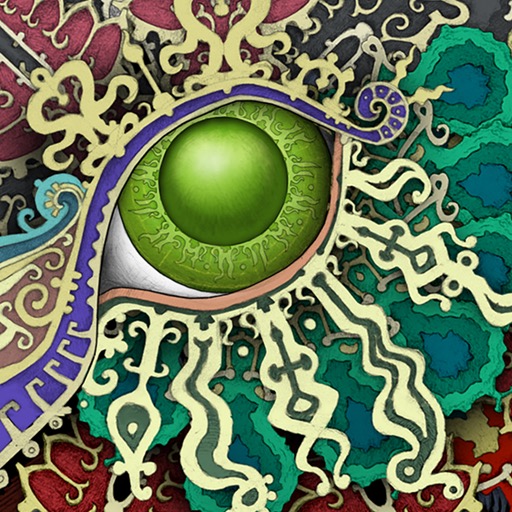
Description
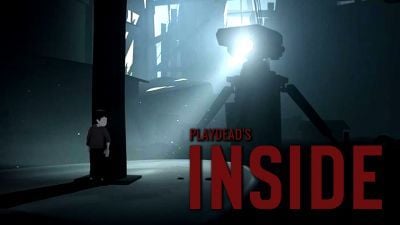
Gorogoa is a beautifully constructed picture puzzle where panels can be moved, layered, entered, and reinterpreted. Its short length is justified by exceptional visual logic, although several late solutions depend on patient experimentation.
Gorogoa Review
Gorogoa presents a grid of illustrated panels that function as windows, objects, locations, and layers. A scene can be separated into two images, placed over another panel, zoomed into, or aligned with a distant picture to create a new path. The game teaches without conventional instructions.
Early puzzles demonstrate that a doorway in one image can connect to stairs in another, or that removing a foreground layer reveals a useful symbol. From there, the same visual grammar is recombined in increasingly surprising ways. Its hand-drawn art is not merely decoration.
Perspective, repeated motifs, color, architecture, and animation communicate which images might belong together. The story is deliberately interpretive, following a lifelong pursuit through memory and symbolic encounters. Gorogoa is short compared with many puzzle games, but every chapter introduces carefully authored transformations rather than repeated filler.
A few sequences can become opaque when several panels contain plausible details, and random rearrangement may accidentally reveal an answer without understanding. The best approach is slow observation. Notice how an image changes after zooming or moving a layer, and ask whether two edges, scales, or directions align.
Gorogoa is a complete premium experience whose value lies in craftsmanship and discovery rather than hours or replay systems.
Base Info
Official Sources
LumenPlays points players to official store and publisher pages where available. Use these links to review current pricing, availability, privacy details, and device requirements.
Screenshots
How to Play Gorogoa
Tap a panel to inspect interactive areas. Zoom into highlighted details, zoom back out when the image becomes a removable layer, and drag panels between the grid’s available positions. Some panels can be stacked over others.
Look for matching edges, doorways, paths, circles, colors, and changes in scale. A small object in one scene may become a large environment when placed behind another frame. If a character cannot continue, identify which panel could extend the route.
Move one element at a time and observe the result. When a panel separates into foreground and background, consider both pieces independently. Return to earlier zoom levels because a useful connection may require a wider view.
Avoid rapid random swapping. If stuck, describe what each panel currently represents and what the moving subject needs next. Check whether animation, gravity, light, or direction changes when panels are repositioned.
Use hints only after testing visual relationships, since discovering the transformation is the central reward. Headphones are optional; the puzzles are primarily visual.
Pros
- Visual mechanics are genuinely original.
- Hand-drawn art directly supports puzzle logic.
- Every chapter introduces meaningful transformations.
- Premium structure avoids filler and monetized hints.
Cons
- The complete experience is relatively short.
- Some later visual relationships are obscure.
- Low replay value after solutions are known.
Beginner Tips
- Observe every panel before moving it.
- Look for matching frames and paths.
- Treat separated layers as new objects.
- Return to wider zoom levels.
- Change one panel at a time.
FAQ
Does Gorogoa use written clues?
Very little. It teaches through visual interaction, repeated motifs, animation, and panel relationships.
How do panels combine?
They may align side by side, stack as layers, connect paths, or change scale and meaning after zooming.
Is it a hidden-object game?
No. Observation matters, but progress comes from transforming and connecting illustrated scenes.
Is the game worth replaying?
Replay can reveal artistic and story details, but the main puzzle challenge is reduced once solutions are remembered.
Similar Games